





This German Camper Van Uses Modular Zones And Flexible Layouts
Rahul Kalvapalle — May 29, 2026 — Autos
References: buerstner & outandaboutlive
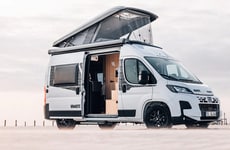
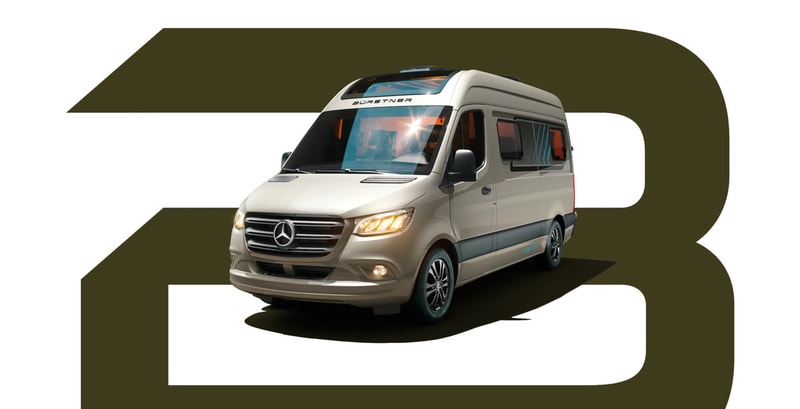
The Bürstner ‘Habiton’ is a compact German camper van designed to maximize interior space through a flexible, open-plan layout. Built for everyday usability as well as travel, the van replaces fixed furniture with a more adaptable interior that shifts between living, sleeping, and storage zones as needed.
The design centers on modular components rather than permanent structures. Seating, sleeping areas, and storage elements can be reconfigured, allowing the interior to open up during the day and transform into a bedroom setup at night. This approach reduces visual clutter while maintaining functionality within a smaller footprint.
In use, the German camper van accommodates multiple occupants with configurable sleeping arrangements and integrated kitchen and bathroom facilities. The layout prioritizes movement inside the vehicle, with clear walkways and multi-use surfaces that support longer stays without feeling confined.
This format reflects a broader move toward adaptable camper interiors, where flexibility is used to extend usable space without increasing vehicle size.
Image Credit: Burstner
The design centers on modular components rather than permanent structures. Seating, sleeping areas, and storage elements can be reconfigured, allowing the interior to open up during the day and transform into a bedroom setup at night. This approach reduces visual clutter while maintaining functionality within a smaller footprint.
In use, the German camper van accommodates multiple occupants with configurable sleeping arrangements and integrated kitchen and bathroom facilities. The layout prioritizes movement inside the vehicle, with clear walkways and multi-use surfaces that support longer stays without feeling confined.
This format reflects a broader move toward adaptable camper interiors, where flexibility is used to extend usable space without increasing vehicle size.
Image Credit: Burstner
Trend Themes
-
Modular Interior Systems — Designs that replace fixed fixtures with interchangeable modules enable vehicles to serve multiple functions within a single compact envelope, creating opportunities for plug-and-play component ecosystems.
-
Flexible Multi-use Surfaces — Surfaces engineered for rapid reconfiguration and dual-purpose use reduce spatial waste and open the door for integrated technologies that blend work, dining, and sleep areas seamlessly.
-
Micro-living Mobility — The convergence of tiny-home principles with mobile platforms shifts expectations about permanent square footage and invites new service models around subscription, rental, and shared-use of living assets.
Industry Implications
-
Recreational Vehicle Manufacturing — Manufacturers can reimagine chassis and interior platforms to support interchangeable modules and standardized interfaces that shorten customization cycles and diversify product lines.
-
Urban Housing Development — Developers and planners confronting density pressures may adopt vehicle-inspired modular layouts to create compact, adaptable micro-units that maximize usable floor area in infill projects.
-
Furniture and Component Suppliers — Suppliers producing collapsible, lightweight, and multifunctional furniture pieces stand to capitalize on demand for durable, space-saving products compatible with constrained mobile and urban environments.
7.5
Score
Popularity
Activity
Freshness