




Moncler Presented Its Grenoble Fall 2026 Collection in Aspen
References: thefashionography
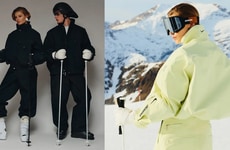
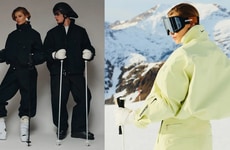
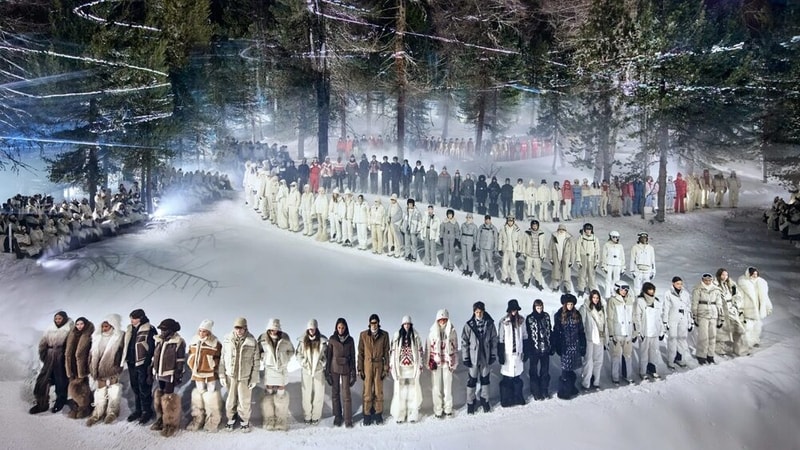
The Moncler Grenoble Fall 2026 Collection was presented in Aspen with a runway, set against the backdrop of the snow-covered Rocky Mountains. The range effectively merges the brand's alpine heritage with the mid-century cultural and design spirit of the American resort town.
The Grenoble Fall 2026 Collection draws inspiration from Moncler's origins in 1952 and Aspen's own rise as a design capital during that same era. The garments feature a palette shaped by natural mountain hues and shifting winter light, executed in fabrics such as waxed cotton, textured tweeds, and artisanally woven loden. Classic 1950s silhouettes — from cinched waists to rounded volumes — are reinterpreted through the brand's signature technical ingenuity. The pieces incorporate advanced quilting techniques, laser-cut patterns, and embroidered Aspen leaf motifs.
Image Credit: Moncler
The Grenoble Fall 2026 Collection draws inspiration from Moncler's origins in 1952 and Aspen's own rise as a design capital during that same era. The garments feature a palette shaped by natural mountain hues and shifting winter light, executed in fabrics such as waxed cotton, textured tweeds, and artisanally woven loden. Classic 1950s silhouettes — from cinched waists to rounded volumes — are reinterpreted through the brand's signature technical ingenuity. The pieces incorporate advanced quilting techniques, laser-cut patterns, and embroidered Aspen leaf motifs.
Image Credit: Moncler
Trend Themes
1. Alpine-tech Heritage - Combining mountaineering performance technologies with heritage aesthetics creates room for garments that seamlessly integrate technical insulation, modular functionality, and provenance storytelling.
2. Mid-century Resort Revival - A renewed focus on 1950s resort silhouettes and palettes opens possibilities for seasonal-capsule lines that fuse nostalgic forms with modern material science and sustainability credentials.
3. Artisanal-tech Fabrication - The pairing of hand-crafted techniques like woven loden and embroidery with laser-cut precision and advanced quilting suggests new hybrid production models blending craft economies and digital fabrication.
Industry Implications
1. Luxury Outerwear - High-end outerwear stands to be reshaped by products that balance alpine performance, couture-level detailing, and traceable material sourcing, redefining consumer expectations for premium cold-weather apparel.
2. Textile Manufacturing - Fabric mills and textile innovators could see disruption through demand for multifunctional textiles that marry traditional weaves with coatings, smart fibers, and localized artisanal processes.
3. Fashion Retail Experiences - Brick-and-mortar and digital retail channels may evolve toward immersive, place-based experiences that replicate resort atmospheres and contextual storytelling to elevate product desirability.
5.9
Score
Popularity
Activity
Freshness