




Round 2 Acquired Lionel LLC to Form the Lionel Brands Group
Edited by Debra John — March 23, 2026 — Business
This article was written with the assistance of AI.
References: forbes
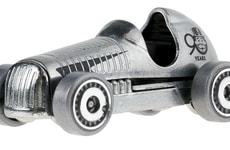
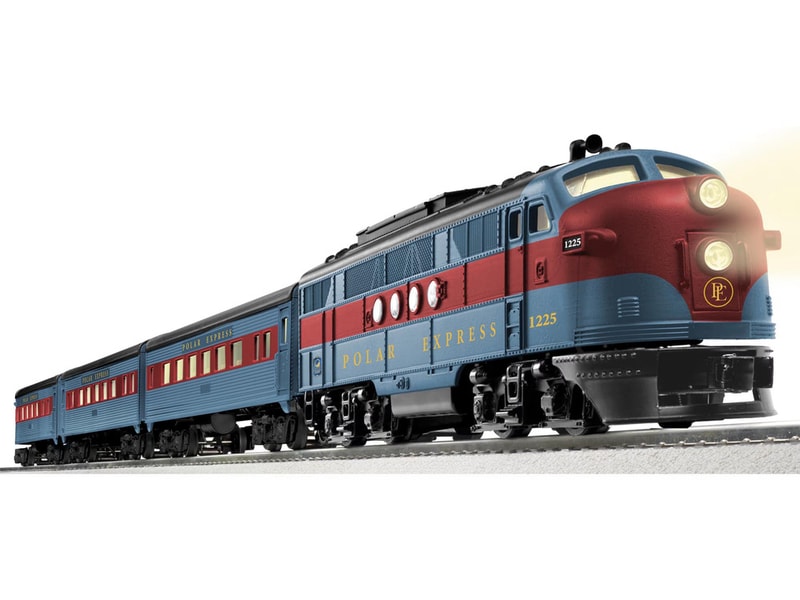
Round 2, a collectibles company owned by private equity firm Praesidian Capital, acquired Lionel LLC to create the Lionel Brands Group, a combined owner of historic model train and die‑cast brands. The deal paired Lionel’s 126‑year legacy electric train sets with Round 2’s Johnny Lightning and Racing Champions lines, featuring plans to operate as a unified house of brands. The companies said the merged business will keep existing leadership and teams in place.
The new Lionel Brands Group will be headquartered in Concord, North Carolina, and maintain an office in South Bend, Indiana, while pursuing broader retail partnerships. Leadership highlighted product tiers from sub‑$100 starter sets to high‑end $3,000 collector engines, plus licensed themed sets tied to franchises such as Star Wars and Harry Potter. The company also noted investments in digital train control systems and apps to modernize play.
By combining niche enthusiast appeal with scaled retail distribution and digital control features, Lionel Brands Group reflects a trend of legacy toy makers modernizing through consolidation and tech integration.
Image Credit: Lionel Brands Group
The new Lionel Brands Group will be headquartered in Concord, North Carolina, and maintain an office in South Bend, Indiana, while pursuing broader retail partnerships. Leadership highlighted product tiers from sub‑$100 starter sets to high‑end $3,000 collector engines, plus licensed themed sets tied to franchises such as Star Wars and Harry Potter. The company also noted investments in digital train control systems and apps to modernize play.
By combining niche enthusiast appeal with scaled retail distribution and digital control features, Lionel Brands Group reflects a trend of legacy toy makers modernizing through consolidation and tech integration.
Image Credit: Lionel Brands Group
Trend Themes
-
Legacy Brand Consolidation — Merging historic brands and product lines under unified ownership creates scale advantages that can reshape distribution and product development economics.
-
Tiered Productization — Offering a continuum from affordable starter sets to premium collector pieces enables new revenue segmentation and monetization strategies across customer cohorts.
-
Digital Physical Toy Integration — Embedding app controls and digital features into traditional mechanical toys blurs the line between play and platform, creating opportunities for recurring software-driven value.
Industry Implications
-
Toy Manufacturing — Established toy manufacturers could be disrupted by hybrid product designs that combine legacy mechanical engineering with embedded electronics and connectivity.
-
Collectibles and Hobby Retail — Specialty and mass retailers may see changing assortment dynamics as collector-focused premium items and themed licensed sets alter shelf space and customer acquisition models.
-
Licensing and Entertainment Partnerships — Franchise licensing arrangements tied to iconic properties can transform product narratives and create cross‑sector collaboration models between entertainment IP owners and physical product makers.
9.4
Score
Popularity
Activity
Freshness